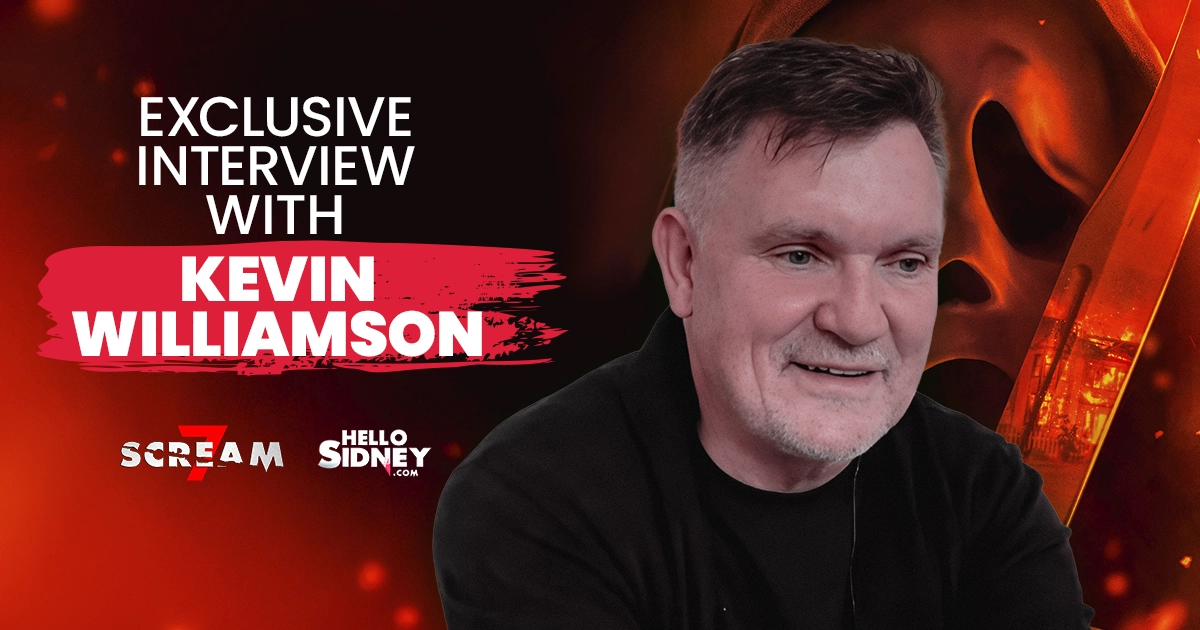
Kevin Williamson explains Scream 7’s motive, the cut Stu twist, why he won’t direct Scream 8, and his Universal Monsters plans.




Kevin Williamson explains Scream 7’s motive, the cut Stu twist, why he won’t direct Scream 8, and his Universal Monsters plans.
⚠️ SPOILER WARNING:This article and video discuss Scream 7 in detail — including spoilers. If you haven’t seen it yet, consider this your final call.
Nearly thirty years after giving Scream its voice, Kevin Williamson returned for the seventh chapter — this time as director and co-writer. For most people, that’s a headline. For me, it felt like a full circle I didn’t dare take lightly.
My first encounter with what would become my favorite scary movie didn’t happen in a theater. It happened in my bedroom — walls lined with posters, shelves crowded with VHS tapes, very Dawson’s Creek — with my sister beside me as the film unfolded like it had somehow been written in our language.
These were characters who loved movies the way I did, who knew the same titles I knew, and who spoke the way my friends and I spoke. At sixteen, I may not have had the words for it yet, but I knew exactly what I was feeling: recognition, belonging, the rare comfort of seeing yourself reflected back.
And now, in the year the original turns 30 — just days after Scream 7 arrived in theaters — I found myself on a call with one of my heroes.
From the first invitation to the final answer, Williamson was exactly what you would hope: warm, accessible, and generous. Not only with his time, in the middle of the post-Scream 7 whirlwind, but with the kind of clarity and candor that makes an interview feel less like content and more like the conversation you always wished you might one day get to have.
Williamson doesn’t romanticize the return. He describes it as both intimate and unfamiliar—same DNA, different era.
“First of all, it was a surreal experience… It was like going home, but at the same time, it’s changed. Like going to someone else’s home, because the franchise has evolved.”
He isn’t talking about revisiting a script. He’s talking about stepping back into a living franchise that’s been culturally transformed since 1996.
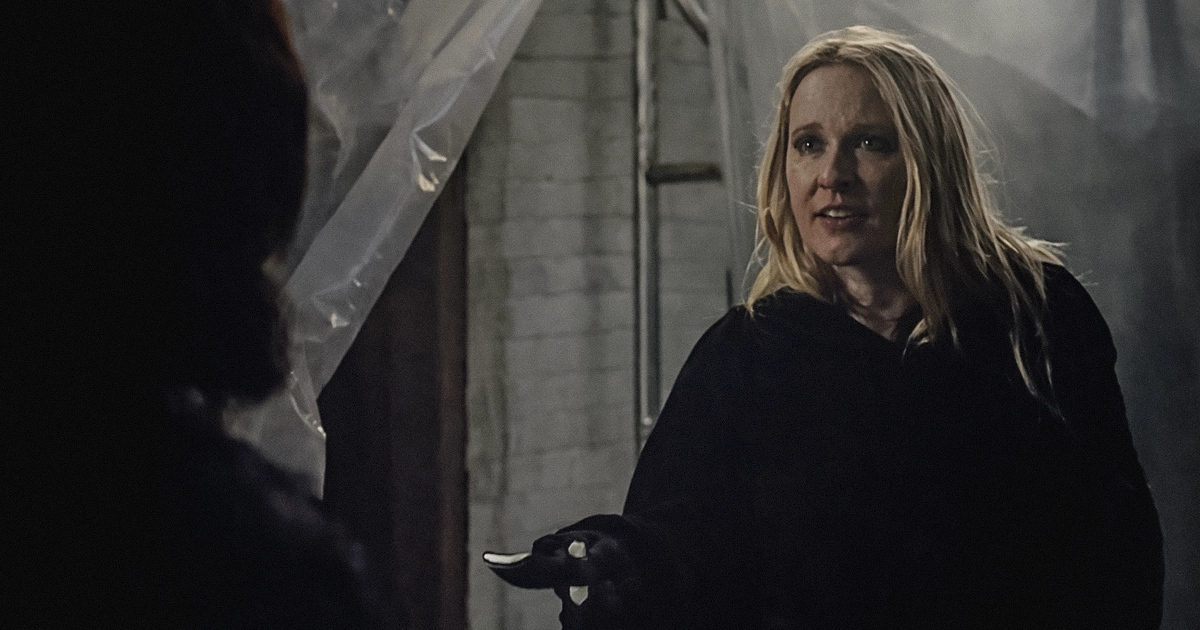
The motive in Scream 7 has split fans since opening weekend, and Williamson knows exactly why: it’s a shift. His cleanest explanation is also the most revealing:
“If the first film is someone has taken their love of scary movies one step too far… this movie is more about someone has taken their love of Sidney Prescott one step too far.”
That’s not a tagline—it’s the blueprint. Williamson points out how often Scream has leaned on bloodline twists, then explains why he wanted to step outside the family tree:
“How many times can she be related to the killer? Even in (Scream) 5 and 6, Sam was still connected in a family way. What happens if this killer is focused on who Sidney became, not who Sidney was?”
In one sentence: the obsession isn’t “movies.” It isn’t “Stab.” It’s Sidney as an icon—and the uncomfortable idea that some people don’t accept it when their hero steps away from the role they’ve assigned her.
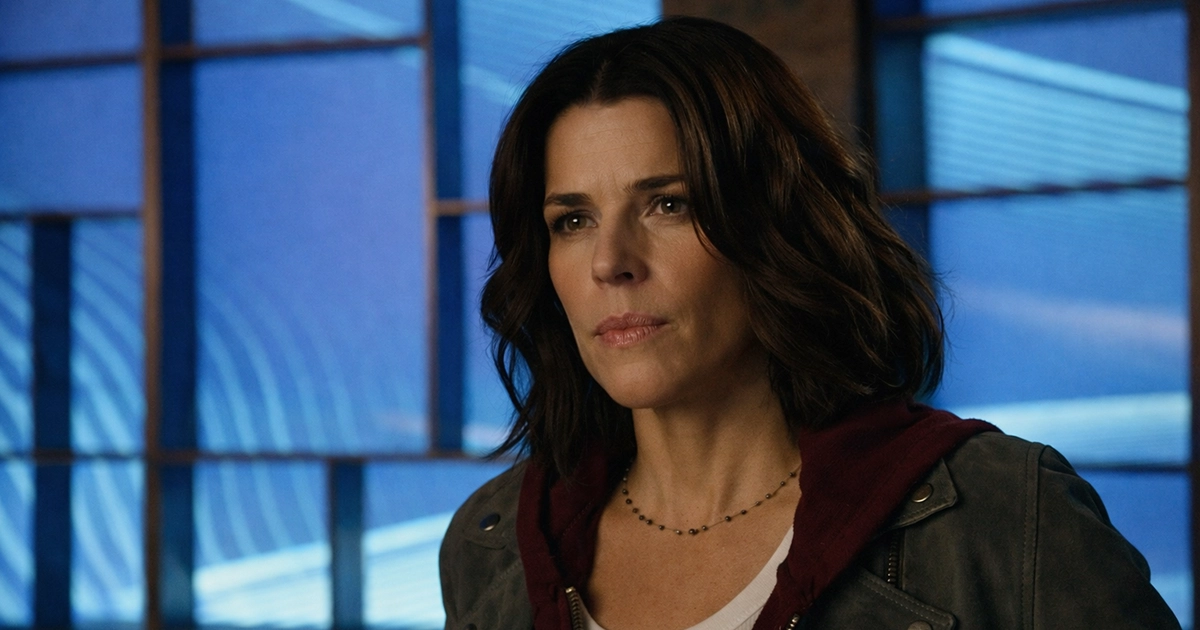
Williamson’s origin story for directing is blunt and perfectly Scream in its simplicity:
“It came out of Neve returning. She asked and I came running.”
And when the question turns to whether he’d do it again, he draws the line immediately:
“Not Scream. No.”
He expands on it in a way that makes the boundary even clearer:
“It’s nice to be part of the Scream family. That doesn’t mean I always have to be front and center. I don’t always have to write or direct. Other people can take the reins.”
Translation: he came back for this chapter, did the job, and he’s comfortable stepping aside again.
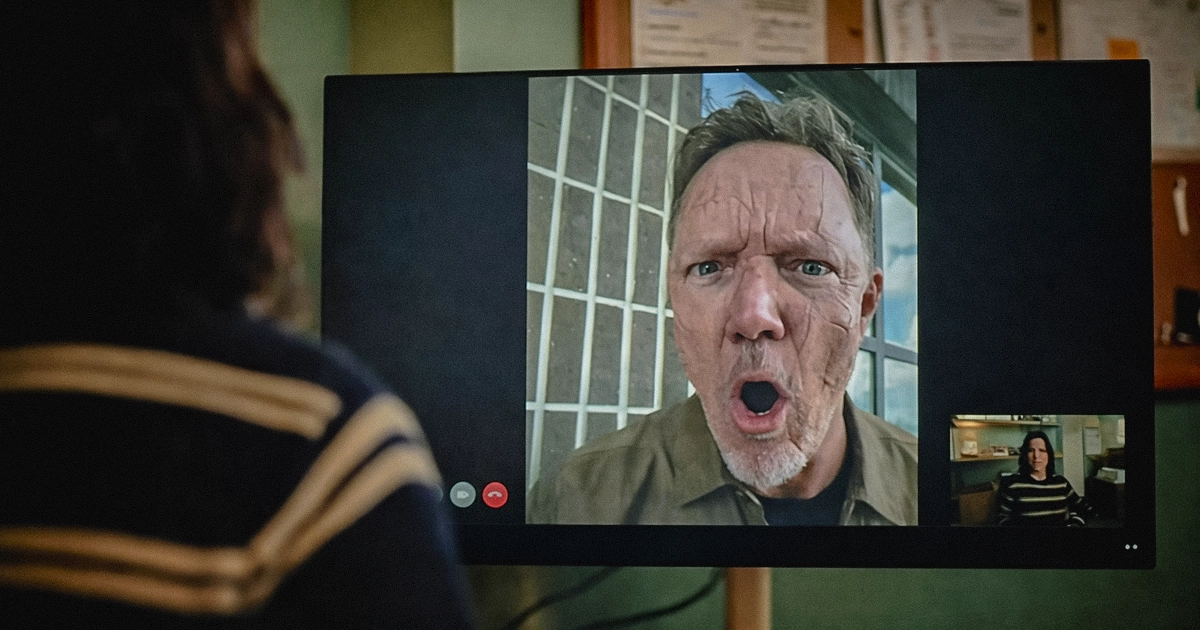
Yes, Williamson confirms they explored an alternate ending involving Stu being alive:
“We filmed a little extra piece at the end that sort of revealed that Stu was actually alive… in a big surprise twist.”
But it didn’t survive the simplest test: clarity.
“We showed it to a test audience and they were confused. They’re like, ‘Wait—so he’s not alive, but he is alive?’ We felt it was cleaner just to keep that out.”
He admits the timing made it tempting:
“For a 30-year anniversary, it was a nice way to see Stu Macher again.”
It’s a rare behind-the-curtain moment: Scream doesn’t just live on reveals—it lives on the audience tracking the logic. If the logic breaks, the knife goes dull.
When the conversation shifts to what’s next, Williamson gets careful:
“I’m not supposed to talk about this too much… because this hasn’t been announced yet. There’s so much subtext, so much coding wrapped up in these monsters. Themes, metaphors.”
And then he lets the fan speak:
“Who doesn’t love Dracula? Who doesn’t like Frankenstein? Who doesn’t like the Wolf Man?”
Williamson didn’t return to Scream to repeat 1996. He returned with intent: to evolve the motive, and to reconnect with the heroine he helped create—now seen through the lens of legacy, iconography, and what happens when a survivor refuses to keep performing her trauma for someone else’s story.
As for what comes next, the phone may ring for Scream 8… but Williamson sounds just as ready to answer a different call: one from the monsters that never really die.
Follow HelloSidney.com: Don’t miss a scream-worthy second! Get exclusive updates, killer behind-the-scenes content, epic giveaways, and everything Ghostface!
Kevin Williamson explains Scream 7’s motive, the cut Stu twist, why he won’t direct Scream 8, and his Universal Monsters plans.
We’ve read the original draft of ‘Scream VI’ and reveal all about Neve Campbell’s part, that hint possible details of ‘Scream 7’.
Dive into a master class of production design, exploring the art, locations, decoration, and coolest props of Scream VI.
Liana Liberato talks about her pivotal role, scary movies, and photography. She also answered fun and tricky questions from the fandom.
Radio Silence talks Scream VI: Behind-the-scenes, Stu Macher’s spirit, and the infamous shrine.

Bloody Ghost Face: Handmade by Robots and HelloSidney.com launch exclusive collectibles.
Jasmin Savoy Brown proudly wears many badges of honor: Woman, Black, Queer—and now, Scream Queen.
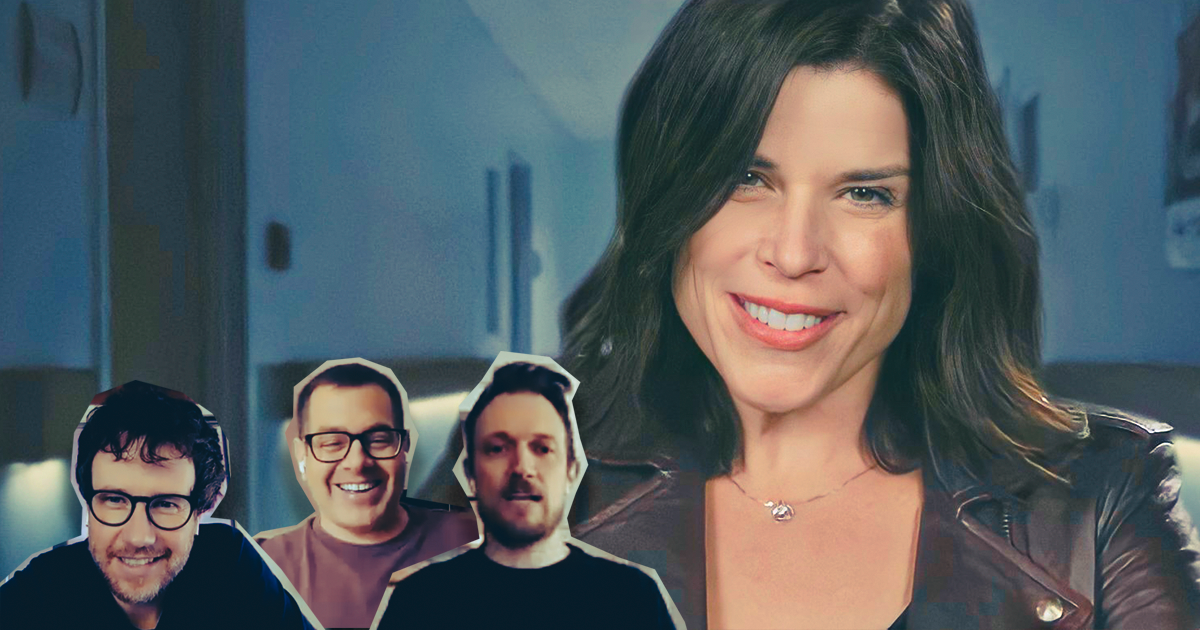
Radio Silence on Scream 5: Legacy cast, new faces, and filming challenges.
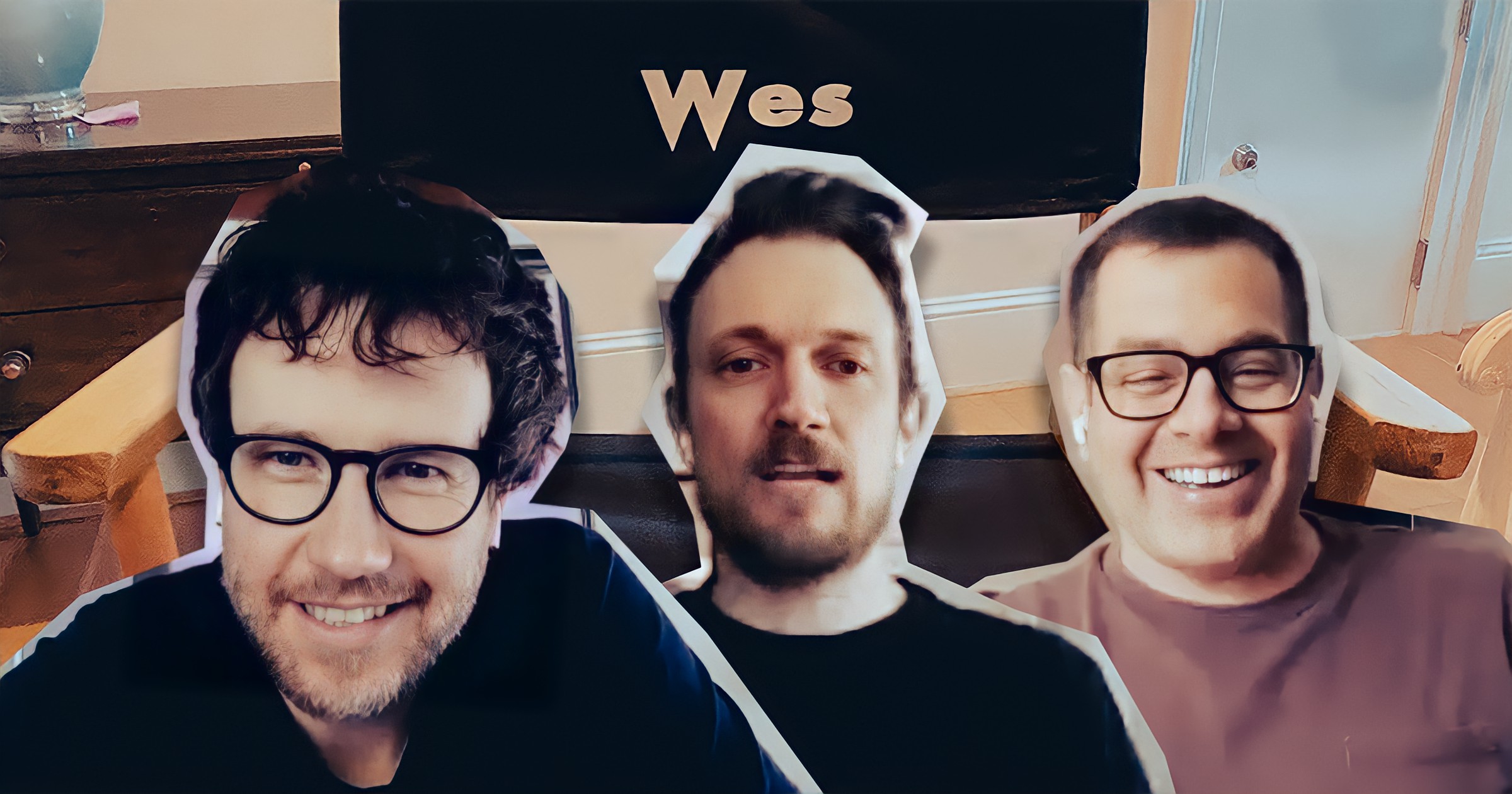
HelloSidney.com interviews Chad Villella, Matt Bettinelli-Olpin and Tyler Gillett, the team behind Scream 5.
🔪 Join our sponsors and showcase your brand to a passionate global community of horror fans! Partner with us today.